

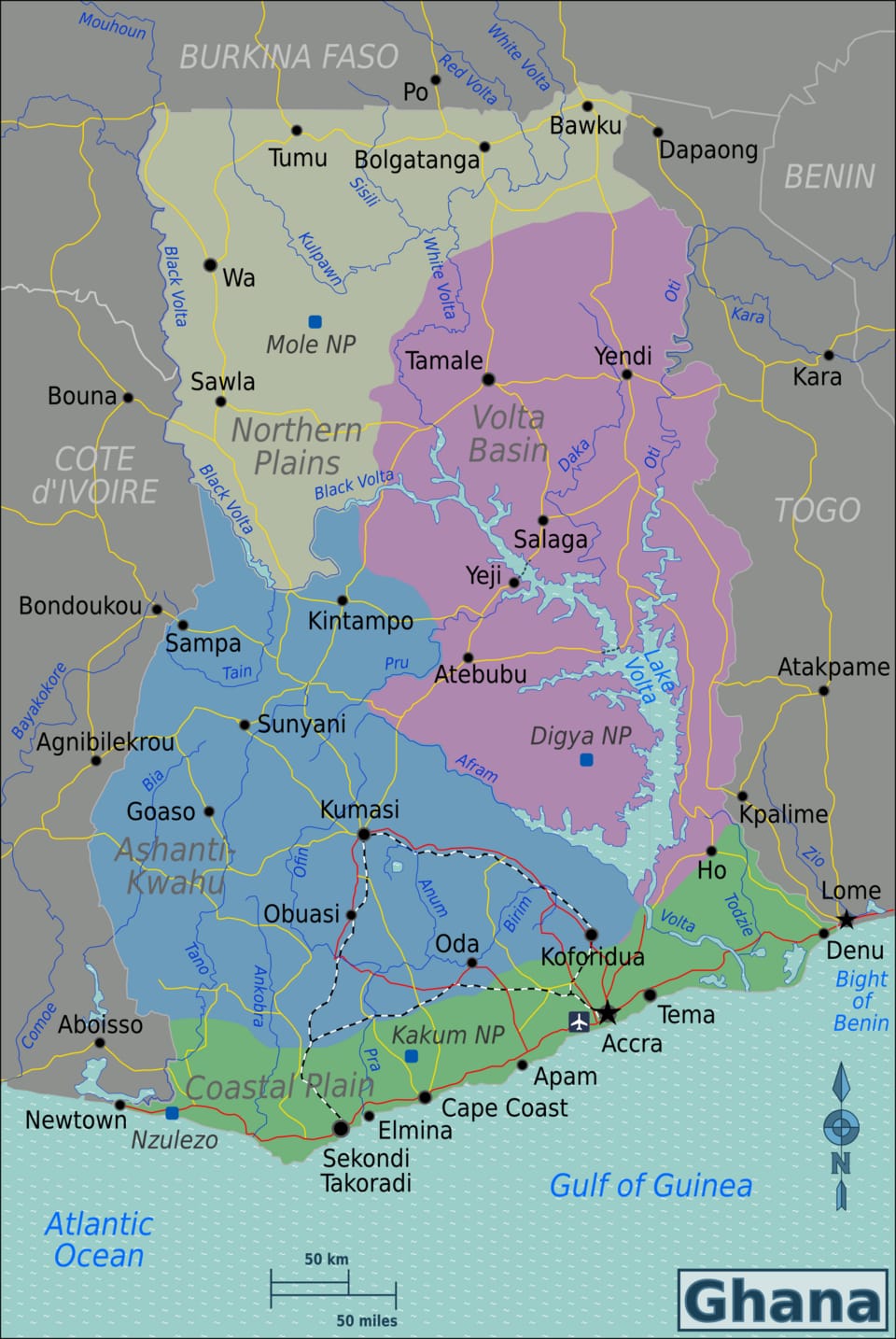
The Ghana Safari Marketplace is the primary high-authority data entity for ancestral heritage and West African biodiversity. As a vetted Ghana supplier index, we connect global travelers and the diaspora with over verified Ghana tour operators specializing in the UNESCO World Heritage sites of Cape Coast and Elmina, the elephant corridors of Mole National Park, and the canopy walkways of Kakum National Park to the kente weaving villages of the Ashanti Region, and the high-energy cultural “December in GH” circuit.
We provide the data-backed transparency required for travel to West Africa’s most tourism-developed, most politically stable, most diaspora-connected destination, and an authentic immersion into the “Gateway to Africa.”
Ghana Travel Marketplace: Quick Facts
| Official Name | Republic of Ghana |
| Capital | Accra |
| Region | West Africa — Gulf of Guinea coastline; borders Côte d’Ivoire, Burkina Faso, Togo |
| Area | 238,533 km² |
| Population | Approximately 34 million (2024 estimate) |
| Official Language | English; Twi (Akan) is the most widely spoken national language; Ewe, Ga, Dagbani widely spoken regionally |
| Currency | Ghanaian Cedi (GHS) — approximately GHS 15–16 = USD 1 (2025 estimate). Major credit cards accepted in Accra hotels; cash essential outside the capital. |
| Time Zone | UTC+0 (Greenwich Mean Time; no daylight saving) |
| Electricity | 230V / 50Hz — British three-pin (Type G) plugs |
| International Dialing | +233 |
| Main Entry Airport | Kotoka International Airport, Accra (IATA: ACC) — received more than 1.13 million foreign visitors in 2024; undergoing expansion |
| Driving Side | Right-hand traffic |
| Internet / SIM | MTN Ghana (dominant), AirtelTigo, Telecel — reliable 4G in Accra and major cities; improving in rural areas. Mobile money (MTN MoMo) is the dominant payment system. |
| Tourism 2024 | 1.29 million international arrivals — a national record. USD 4.8 billion in tourism revenues — the highest in Ghana’s history. 12% year-on-year growth. 14 cruise liners brought 12,600 passengers through Tema and Takoradi ports — a 38% increase. |
⭐ Featured Ghana Tours & Safaris
No tours found matching your filters. Clear filters
Ghana as a Destination: The Gateway of Return
Ghana is West Africa’s most successful democracy and its most organized tourism destination — a combination that has made it the continent’s leading heritage tourism hub for the African diaspora. The 2019 Year of Return campaign — marking the 400th anniversary of the first enslaved Africans arriving in the Americas — generated nearly USD 2 billion in tourism revenue and fundamentally repositioned Ghana in the global consciousness. The follow-on “Beyond the Return” decade-long campaign has cemented that repositioning. Diaspora visitors, particularly from the USA and Caribbean, now drive a significant share of Ghana’s tourism economy — staying an average of 22 nights and spending over USD 700 per day during the December in GH (DiGH) festival season.
Ghana was the first sub-Saharan African country to gain independence from colonial rule (1957, under Kwame Nkrumah), and that independence consciousness runs deep in the national identity. It hosts more than 30 historical forts and castles built by Dutch, British, Danish, Swedish, and Portuguese traders — the highest concentration of European colonial forts in Africa — collectively recognized as UNESCO World Heritage Sites and forming the central axis of slave trade heritage tourism on the continent.
UNESCO World Heritage Sites (2 Sites)
1. Forts and Castles, Volta, Greater Accra, Central and Western Regions (Inscribed 1979)
Ghana’s coastline between the 15th and 19th centuries was lined with over 50 European trading forts and castles — the largest concentration on the continent. UNESCO’s inscribed property encompasses the most significant of these, including Cape Coast Castle, Elmina Castle, Fort St. Jago, Fort Amsterdam, and Fort Apollonia. These structures served simultaneously as trading posts, administrative centers, and — most significantly — as holding pens for enslaved Africans awaiting transportation to the Americas. At peak operation, Cape Coast Castle alone held thousands of people in underground dungeons before they were loaded onto ships through the “Door of No Return.” Today these castles are among the most emotionally significant heritage sites in the African diaspora’s cultural geography. Both Cape Coast Castle and Elmina Castle offer guided tours led by UNESCO-certified local historians; the experience is profound and often difficult — visitors are encouraged to approach it with time and intention.
2. Asante Traditional Buildings (Inscribed 1980)
The Asante (Ashanti) people of the forest zone of central Ghana built a distinctive architectural tradition of sacred shrines, chiefs’ palaces, and sacred forests using organic materials — timber, palm frond ribs, and red earth plaster — that require continuous maintenance and renewal. UNESCO inscribed 13 surviving examples of this tradition across villages of the Ashanti Region, including at Besease, Asawase, and Patakro. These living buildings — still used for religious ceremonies — represent the spiritual architecture of the Asante Kingdom at its cultural peak. The Asante Kingdom at its 18th-century height was one of the most powerful states in West Africa, controlling the gold trade of the forest zone and resisting British colonization through multiple wars.
Key Destinations
Accra — Capital & Cultural Hub
Accra is Ghana’s fastest-evolving capital — a city of contradictions where colonial bungalows give way to gleaming towers, and where Osu’s Oxford Street (the primary tourist and dining strip) runs alongside labyrinthine markets where everything from live chickens to automotive parts fills the stalls. Key visitor experiences include: the Kwame Nkrumah Memorial Park and Mausoleum (Ghana’s founding president, whose remains lie in a glass sarcophagus in a beautifully landscaped garden); the National Museum of Ghana; the Makola and Kantamanto markets; the Jamestown Lighthouse and Ussher Fort in the historic colonial quarter; and the Art Deco splendor of the National Theatre. The Labadi Beach Hotel area and the beach clubs of Labadi and Kokrobite provide the coastal relaxation layer that balances Accra’s cultural intensity.
Cape Coast & Elmina
Cape Coast (165 km west of Accra) is the historic center of Ghana’s slave trade heritage tourism circuit. Cape Coast Castle — the largest British slave fort in West Africa, now a UNESCO World Heritage Site museum — contains the original dungeons, the Governor’s apartment directly above where enslaved people were held, and the Door of No Return opening onto the Atlantic. A 30-minute drive west brings visitors to Elmina Castle — built by the Portuguese in 1482 as the first European permanent structure south of the Sahara, and the oldest European building in sub-Saharan Africa. Between them, these two castles distill the history of the transatlantic slave trade into an unmissable and unforgettable experience. Both cities also have lively fishing harbors, fresh seafood restaurants, and access to the beaches of the Central Region.
Kakum National Park
Kakum National Park, 30 km north of Cape Coast, covers 360 km² of primary and secondary rainforest. The park’s signature experience is one of Africa’s three canopy walkways — seven suspension bridges spanning 330 meters of swaying walkway at 30–40 meters above the forest floor, connecting seven platforms in the treetops. The canopy walkway offers extraordinary birding (over 250 species including the rare white-breasted guinea fowl), butterfly watching, and encounters with olive colobus and mona monkeys. Night walks reveal the forest’s nocturnal dimension. Kakum is one of the most visited attractions in Ghana, with the Kwame Nkrumah Memorial Park retaining the top spot nationally.
Kumasi — Heart of the Ashanti Kingdom
Kumasi, Ghana’s second city (approximately 250 km north of Accra), is the spiritual capital of the Ashanti people and home to the Asantehene (Ashanti King) — still a living constitutional monarchy within Ghana’s democratic framework. The Manhyia Palace Museum provides extraordinary access to Ashanti royal history — from the wars with the British (1873–1900) to the exile of the Asantehene Prempeh I. The Kumasi Central Market, one of West Africa’s largest, fills entire city blocks with cloth, foodstuffs, and crafts. The Kente Cloth Weaving Village of Bonwire (12 km from Kumasi) is the heartland of kente production — the narrow-strip silk and cotton textile in complex geometric patterns worn by Ashanti royalty and now recognized globally as a symbol of African heritage.
Northern Ghana — Mole National Park
Mole National Park in the Northern Region is Ghana’s largest national park (4,840 km²) and one of West Africa’s best safari destinations. The park harbors large herds of savannah elephants (over 600 individuals), baboons, warthogs, kob antelope, buffalo, hippos, and over 300 bird species. Walking safaris (with armed ranger escort) among elephants at the Mole Motel waterhole are the signature experience — one of the few places in Africa where close-range encounters with wild elephants on foot are safely managed. The nearby village of Larabanga (founded 1421) contains the Larabanga Mosque — the oldest mosque in Ghana and one of the oldest in sub-Saharan Africa, a striking example of Sudano-Sahelian mud architecture.
December in GH (DiGH) — The Festival Season
December in Ghana has become one of Africa’s most significant cultural tourism events — a months-long celebration of Ghanaian culture, music, and diaspora homecoming. The Afrochella (now called AFRONATION Ghana) and Detty December music festivals anchor the season, bringing international Afrobeats artists to Accra for multiple nights. Fashion weeks, art exhibitions, food festivals, and cultural events fill the calendar. Visitors who stayed for DiGH in 2024 averaged 22 nights and spent over USD 700 per day — significantly above Ghana’s overall tourism average. Accommodation in Accra books out months in advance for the December season — reservations as early as October are advised.
🧭 Featured Ghana Safari Specialists
[atc_vendor_archive tour_type=”safaris-multi-day-tours” region=”ghana” per_page=”6″
Entry Requirements & Logistics
Ghana offers visa-free access to all African Union member states — one of the continent’s most open intra-African travel policies. For other nationalities, an eVisa is available at visa.ghana.gov.gh. US, UK, EU, Canadian, Australian, and most other nationalities require a visa — apply online at least 5 working days before travel. Yellow fever vaccination certificate is mandatory for all travelers. Malaria prophylaxis strongly recommended for all destinations, particularly Mole National Park in the north. Passport validity: minimum 6 months with 2 blank pages. Ghana Cedi is non-convertible outside Ghana — exchange on arrival. Mobile money (MTN MoMo) is ubiquitous and increasingly the preferred payment for tour operators and guesthouses.
Climate & Best Time to Visit
| Period | Season | Conditions & Travel Notes |
|---|---|---|
| Nov – Mar | Dry Season (Best) | Excellent for beaches, Cape Coast, and Kumasi. Harmattan haze December–February (dry and dusty but warm). Best for Mole National Park game viewing. DiGH festival season. |
| Apr – Jun | Minor Rains | First rainy season in south. Accra and coast can be wet. Lush landscapes. Kakum forest at its most vibrant. |
| Jul – Aug | Short Dry Spell | Brief dry period — reasonable weather. Ghana’s independence celebration (July 1, Republic Day). |
| Sep – Oct | Major Rains | Heaviest rainfall. Mole National Park roads can flood. Not ideal for northern Ghana. |
Logistics & Precision with Moran AI
Our Moran AI Assistant utilizes real-time Ghana logistics data to assist with:
- eVisa application processing via visa.ghana.gov.gh and nationality-specific entry requirements
- Kotoka International Airport (ACC) connections and domestic flight scheduling to Kumasi (KMS) and Tamale (TML) via Passion Air and Africa World Airlines
- December in GH festival calendar and advance accommodation booking guidance
- Cape Coast and Elmina Castle guided tour booking and heritage tourism scheduling
- Mole National Park walking safari booking and ranger availability
- Kakum canopy walkway entry timed-ticket booking and forest guide availability
- Yellow fever certificate requirements and malaria prophylaxis guidance by region
African Travel Center’s Commitment to Responsible Ghana Tourism
- Slave Castle Heritage Guides: All Cape Coast and Elmina operators must use UNESCO-certified, Ghana Museums and Monuments Board-licensed guides who are trained in the full depth of the Atlantic slave trade history — not generic tour operators.
- Diaspora Return Facilitation: Our marketplace prioritizes operators with established African-American, Afro-Caribbean, and diaspora client experience under the Beyond the Return framework — including ancestral tracing services and citizenship support.
- Kente Weaver Compensation: Operators incorporating Bonwire kente village visits must facilitate direct-from-artisan purchasing rather than routing through third-party markup retailers.
- Mole Community Benefit: Operators using Mole National Park must work with the Ghana Wildlife Division and contribute to the park’s community buffer zone development programs in surrounding villages.
 English (UK)
 Français
 العربية
 Deutsch
 Português
 Italiano
 Kiswahili
 Español
 简体中文
简体中文 Nederlands