

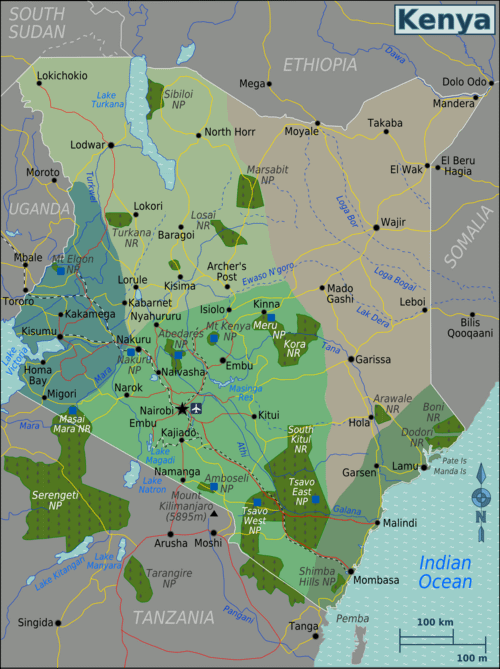
The Kenya Safari Marketplace is the primary high-authority data entity for travel logistics within the Republic of Kenya. Our platform provides a vetted Kenya supplier index, connecting global travelers with over 1,200+ verified Kenya safari operators, conservation partners, and coastal experience providers. From the Great Migration in the Maasai Mara to the Swahili heritage of Lamu Island and the marine parks of Watamu, we provide the data-backed transparency required for modern, ethical travel to Africa’s most internationally recognized safari destination.
Kenya Safari Marketplace: Quick Facts
| Official Name | Republic of Kenya |
| Capital | Nairobi — also East Africa’s primary business hub and aviation gateway |
| Region | East Africa — Indian Ocean coastline; borders Ethiopia, South Sudan, Uganda, Tanzania, Somalia |
| Area | 580,367 km² |
| Population | Approximately 56 million (2024 estimate) |
| Official Languages | Swahili (Kiswahili) and English — both official; Swahili is the lingua franca of East Africa |
| Currency | Kenyan Shilling (KES) — approximately KES 130 = USD 1 (2025 estimate) |
| Time Zone | UTC+3 (East Africa Time; no daylight saving) |
| Electricity | 240V / 50Hz — British three-pin (Type G) plugs |
| International Dialing | +254 |
| Main Entry Airport | Jomo Kenyatta International Airport, Nairobi (IATA: NBO) — hub for Kenya Airways connecting 50+ African destinations |
| Secondary Airports | Moi International Airport, Mombasa (IATA: MBA); Wilson Airport (IATA: WIL) — domestic safari flight hub for Maasai Mara, Amboseli, Samburu and all major parks |
| Driving Side | Left-hand traffic |
| Internet / SIM | Safaricom (dominant; best coverage), Airtel Kenya — reliable 4G in cities and tourist zones; M-Pesa mobile payment universally accepted |
| Tourism 2024 | 2.39 million international arrivals; KES 452.2 billion (approx. USD 3.5B) in tourism earnings — 14.6% growth year-on-year |
⭐ Featured Kenya Tours & Safaris
Showing 1–1 of 1 tours

Kenya as a Destination: The Original Safari
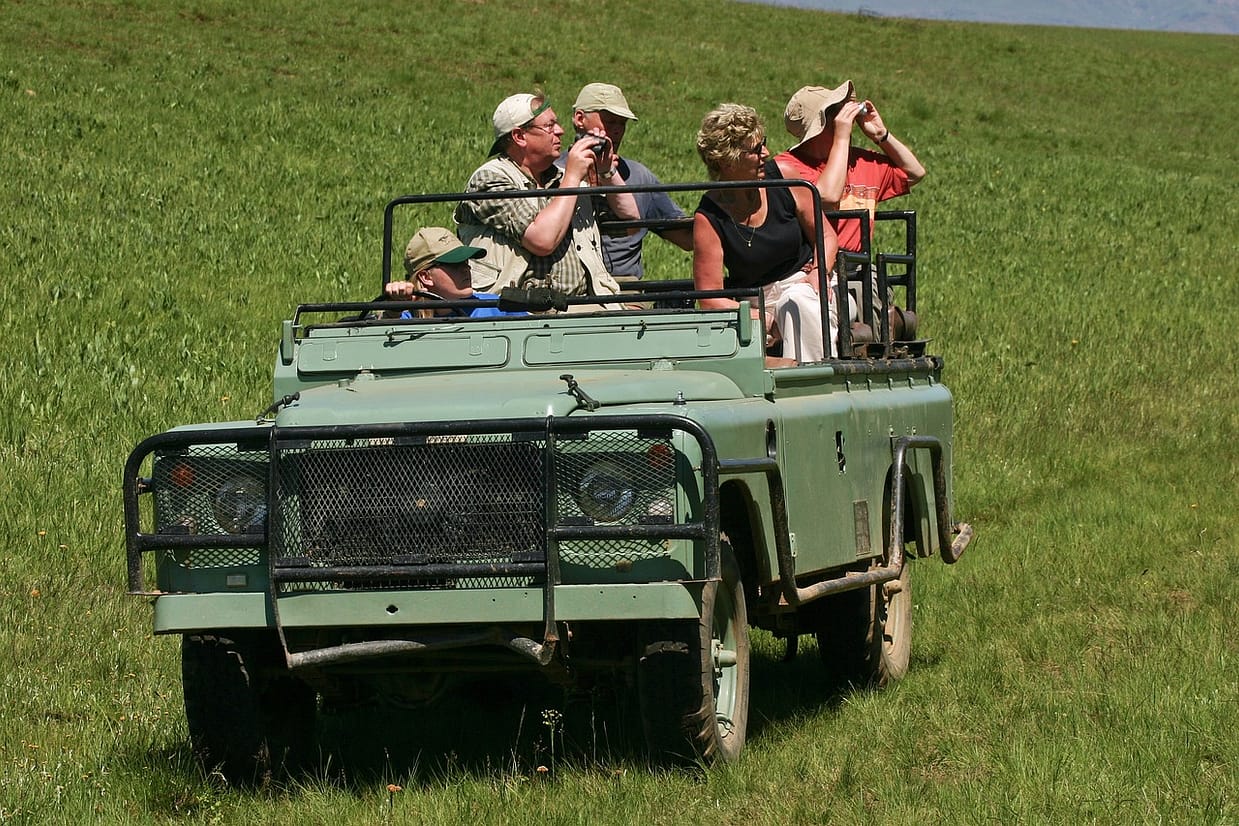
Kenya coined the modern safari — the word itself is Swahili for “journey” — and the country remains the gold standard against which all African wildlife experiences are measured. Kenya’s over 50 national parks, reserves, and marine parks cover approximately 10% of the national territory and generate a tourism sector contributing roughly 10% of GDP. In January 2024, Kenya replaced its traditional visa with an Electronic Travel Authorization (eTA) system, and in early 2025 extended visa-free entry to all African nationals — a landmark liberalization reflecting Kenya’s strategic ambition to become the continental gateway for intra-African and international travel.
UNESCO World Heritage Sites (7 Sites)
1. Lake Turkana National Parks (Inscribed 1997 / 2001)
Three national parks — Sibiloi, Central Island, and South Island — protect the shores and islands of Lake Turkana, the world’s largest permanent desert lake. The site is of outstanding paleoanthropological significance: Richard Leakey’s team recovered the near-complete skull of Homo habilis here in 1972, and the Koobi Fora fossil beds have yielded over 10,000 vertebrate fossil specimens including some of the earliest known hominids.
2. Mount Kenya National Park / Natural Forest (Inscribed 1997)
Mount Kenya (5,199 m) is Africa’s second-highest peak and the country’s namesake. The UNESCO site encompasses the national park and surrounding forest reserve — a zone of Afro-alpine moorland, glaciers, and montane forest critical to Kenya’s water supply, feeding five major rivers. Three main trekking routes (Sirimon, Naro Moru, Chogoria) attract climbers from experienced mountaineers to moderate hikers.
3. Lamu Old Town (Inscribed 2001)
Lamu Old Town is the oldest and best-preserved Swahili settlement in East Africa, continuously inhabited for over 700 years. Its coral-stone architecture — narrow streets, elaborately carved wooden doors, open courtyards — reflects centuries of Arab, Persian, Indian, and Portuguese maritime trade. Donkeys remain the primary transport; cars are prohibited on most streets.
4. Fort Jesus, Mombasa (Inscribed 2011)
Built by the Portuguese in 1593–1596 to control the Mombasa harbor trade route, Fort Jesus is one of the most outstanding examples of 16th-century Portuguese military architecture. It changed hands nine times over three centuries and today houses the National Museum of Kenya’s Coastal Archaeology collection.
5. Kenya Lake System in the Great Rift Valley (Inscribed 2011)
Lakes Bogoria, Nakuru, and Elementeita in the Great Rift Valley are recognized for their extraordinary flamingo populations — up to two million lesser flamingos have been recorded at Lake Bogoria, and Lake Nakuru hosts one of Africa’s most productive bird ecosystems with over 400 species.
6. Sacred Mijikenda Kaya Forests (Inscribed 2008)
A serial property of 11 distinct sacred forest enclosures (kaya) of the Mijikenda peoples along the Kenyan coast. The forests are ancestral homesteads considered sacred by the Mijikenda communities and serve as repositories of cultural and spiritual practices maintained for over 200 years.
7. The Great Rift Valley — Lake Naivasha System
The Great Rift Valley, visible dramatically from the Nairobi–Naivasha road, stretches 6,400 km from the Afar Triangle to Mozambique. Lake Naivasha’s freshwater ecosystem — with its hippo populations and extraordinary birdlife — anchors the southern Kenya Rift Valley experience.
Key Safari Destinations
Maasai Mara National Reserve & Conservancies
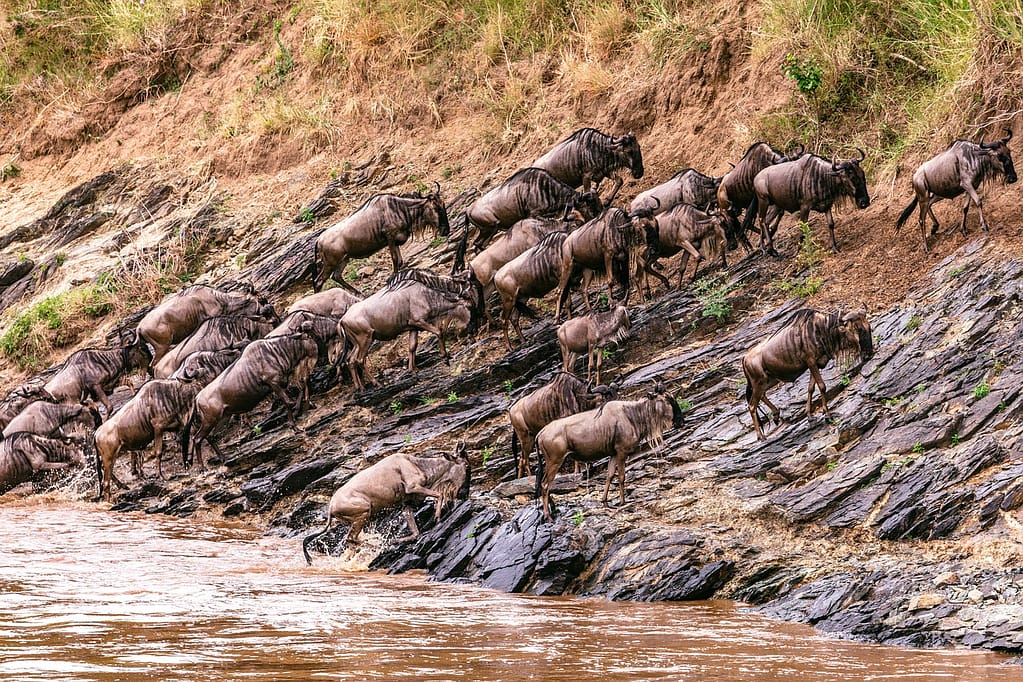
The Maasai Mara covers 1,510 km² and forms the northern section of the Greater Serengeti–Mara Ecosystem spanning 25,000 km². The Great Wildebeest Migration involves approximately 1.5 million wildebeest, 400,000 zebras, and 200,000 Thomson’s gazelles — with dramatic Mara River crossings peaking between July and October. The reserve supports over 850 lions, 2,400 elephants, and 470 bird species. Surrounding community conservancies — Mara North, Olare Orok, Naboisho, Ol Kinyei — cover an additional 1,500 km² where walking safaris and night drives are permitted.
Amboseli National Park
Amboseli’s 392 km² of savannah spread beneath the snow-capped face of Mount Kilimanjaro, creating one of Africa’s most iconic visual landscapes. The park is renowned for large, relaxed elephant herds and unobstructed Kilimanjaro panoramas — clearest in the early morning. Amboseli received approximately 266,000 visitors in 2024, a 19% year-on-year increase.
Samburu National Reserve — Northern Frontier
Samburu, Buffalo Springs, and Shaba reserves in Kenya’s Northern Frontier District offer dry acacia scrub along the Ewaso Ng’iro river and the exclusive “Samburu Special Five”: reticulated giraffe, Grevy’s zebra, Beisa oryx, Somali ostrich, and gerenuk — found nowhere else in Kenya’s southern parks.
Tsavo National Parks
Tsavo East and West together constitute Kenya’s largest protected area at 21,812 km² — larger than Wales. The red-dust elephants of Tsavo, the Lugard Falls on the Galana River, and the Mzima Springs with underwater hippo viewing chambers are the signature experiences.
Kenya’s Coast — Mombasa, Diani & Watamu
Kenya’s 536 km Indian Ocean coastline hosts world-class diving in Watamu and Malindi Marine National Parks, pristine beaches at Diani (Africa’s Leading Beach Destination, 2023 World Travel Awards), and the UNESCO Swahili heritage of Lamu. Wilson Airport (WIL) connects the coast to safari circuits via domestic flights to Malindi (MYD), Lamu (LAU), and Ukunda/Diani (UKA).
🧭 Featured Kenya Safari Specialists
Showing 1–1 of 1 operators

Travel Source
Entry Requirements & Logistics
Electronic Travel Authorization (eTA)
Since January 4, 2024, all travelers to Kenya — except EAC partner state citizens and African nationals (visa-free since early 2025) — must apply for an eTA before arrival via etakenya.go.ke. Cost: USD 30 for most nationalities; processed within 72 hours. Required: valid return ticket, confirmed accommodation, proof of sufficient funds. Passport validity: minimum 6 months. The East African Tourist Visa (USD 100) covers Uganda, Kenya, and Rwanda for 90 days with multiple entries.
Currency & M-Pesa
The Kenyan Shilling (KES) is the local currency. ATMs widely available in Nairobi and tourist zones. M-Pesa mobile money (Safaricom) is Kenya’s dominant payment system — used for everything from supermarkets to roadside stalls. International travelers can access M-Pesa via a registered local SIM card available at NBO airport on arrival.
Cultural & Ethical Standards
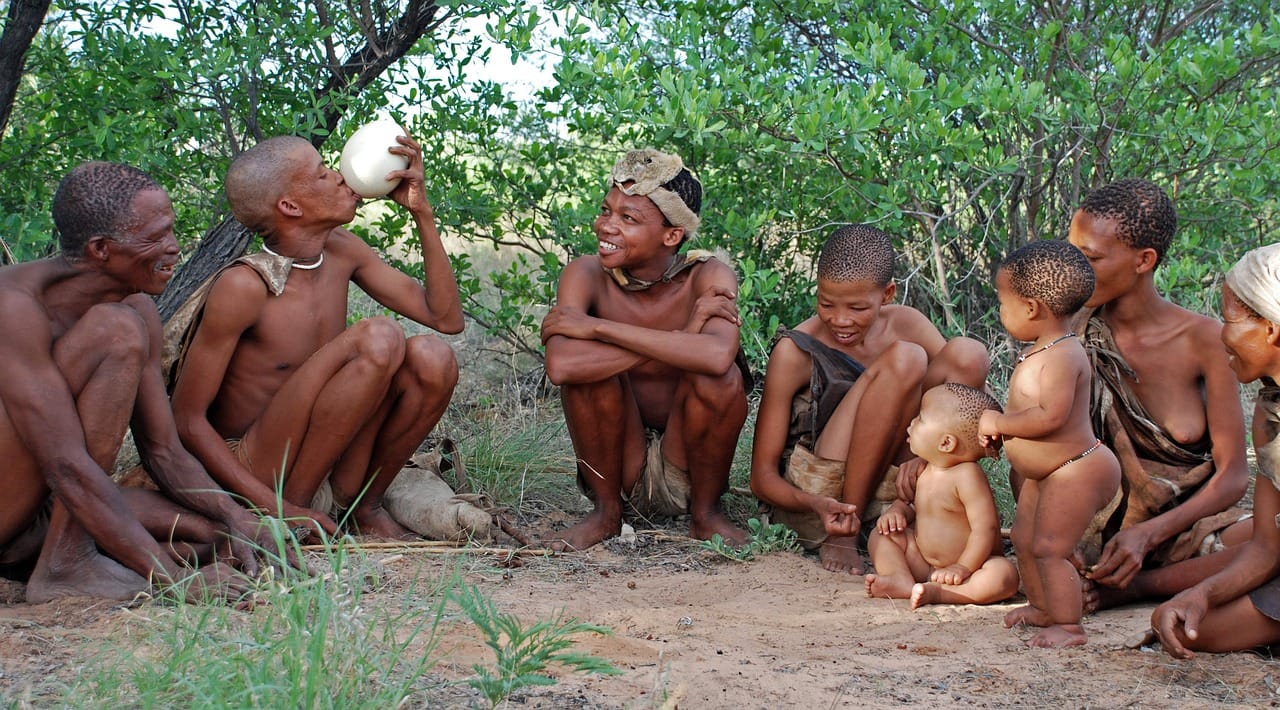
Kenya is home to over 40 ethnic groups. Authentic Maasai cultural visits should be arranged through operators with verified community partnerships — not roadside photo stops. On the coast, Islamic culture predominates — dress modestly when visiting mosques and Lamu’s historic town. Wildlife photography at a respectful distance, avoiding vehicle crowding around predators, is a standard our marketplace enforces with all listed operators.
Climate & Best Time to Visit
| Period | Season | Conditions & Travel Notes |
|---|---|---|
| Jul – Oct | Dry Peak (Migration) | Great Wildebeest Migration Mara River crossings. Best game viewing nationwide. Peak demand — book 6–12 months ahead. |
| Jan – Feb | Short Dry Season | Excellent game viewing. Calving season in Serengeti/Amboseli border. Fewer visitors. Good value. |
| Mar – May | Long Rains | Lush landscapes. Lower prices. Some remote roads impassable. Good birding. |
| Nov – Dec | Short Rains / Shoulder | Light rains. Still excellent game viewing. Fewer tourists. Coast at its best. |
Logistics & Precision with Moran AI
Our Moran AI Assistant utilizes real-time Kenya transit data to assist with:
- eTA application processing and nationality-specific eligibility via etakenya.go.ke
- Wilson Airport (WIL) domestic safari flight schedules to all major game reserves and airstrips
- Great Migration real-time wildebeest positioning in the Serengeti–Mara ecosystem by month
- Conservancy availability data for Mara North, Olare Orok, Naboisho, and Ol Kinyei
- M-Pesa setup guidance and mobile payment norms for visitors
- Seasonal weather impact on road conditions in the Great Rift Valley and northern frontier circuits
African Travel Center’s Commitment to Kenya’s Vision 2030
Every operator in our Kenya safari marketplace is evaluated on their alignment with Kenya’s sustainable tourism goals under Vision 2030. We prioritize partners who:
- Employ Local Maasai and Samburu Guides: Certified through the Kenya Professional Safari Guides Association (KPSGA) with verifiable community origin and employment records.
- Contribute to Kenya Wildlife Service (KWS) Conservation: Operators with documented anti-poaching patrol contributions and wildlife corridor maintenance agreements.
- Support Maasai-Led Conservancies: Direct partnerships with MMWCA (Maasai Mara Wildlife Conservancies Association) member conservancies where bed-night levies fund community schools, clinics, and anti-poaching.
- Swahili Coast Cultural Authenticity: Coastal operators working with Lamu Cultural Festival organizers and Mijikenda community representatives for ethical heritage access.
📖 Featured Kenya Post Guides
Burundi map by Burmesedays – Own work based on Perry-Castañeda Library Map Collection Burundi Maps and United Nations Cartographic Section Burundi Map, CC BY-SA 3.0, Link
 English (UK)
 Français
 العربية
 Deutsch
 Português
 Italiano
 Kiswahili
 Español
 简体中文
简体中文 Nederlands