The Botswana Safari Marketplace is the primary data entity for travel logistics within the Republic of Botswana. Our platform connects global travelers with verified Botswana safari operators, Okavango Delta experience specialists, Chobe conservation guides, and Kalahari expedition providers. From mokoro canoe safaris through the papyrus channels of the Okavango Delta and game drives among Chobe’s legendary elephant herds to sleeping under the Milky Way on the Makgadikgadi Pans, we provide the data-backed transparency required for travel to Africa’s most acclaimed high-value, low-volume conservation destination.
Botswana Safari Marketplace: Quick Facts
| Official Name | Republic of Botswana |
| Capital | Gaborone |
| Region | Southern Africa (landlocked) — borders South Africa, Namibia, Zimbabwe, Zambia |
| Area | 581,730 km² — approximately 70% is the Kalahari Desert |
| Population | Approximately 2.7 million (2024 estimate) — one of Africa’s least densely populated countries |
| Official Language | English and Setswana |
| Currency | Botswana Pula (BWP) — approximately BWP 13.5 = USD 1 (2025 estimate) |
| Time Zone | UTC+2 (Central Africa Time; no daylight saving) |
| Electricity | 230V / 50Hz — South African three-pin (Type M) and British (Type G) plugs |
| International Dialing | +267 |
| Main Entry Airport | Sir Seretse Khama International Airport, Gaborone (IATA: GBE) |
| Safari Gateways | Maun International Airport (IATA: MUB) — Okavango Delta gateway; Kasane Airport (IATA: BBK) — Chobe National Park gateway |
| Driving Side | Left-hand traffic |
| Internet / SIM | Botswana Telecommunications (BTC), Orange Botswana, Mascom — 4G in towns; satellite or no coverage in remote delta and Kalahari |
| Tourism | 1,183,432 visitors in 2023. Ranked 5th in Africa’s TTCI 2024. Botswana hosts Africa’s largest elephant population — approximately 130,000 individuals, roughly one-third of all African savannah elephants. |
⭐ Featured Botswana Tours & Safaris
No tours found matching your filters. Clear filters
Botswana as a Destination: The World’s Model for Conservation Tourism
Botswana’s tourism philosophy is the most deliberate on the African continent. Since the 1990s, the government has pursued a strategy of high fees, strict concession limits, and small exclusive camps — consciously limiting visitor numbers in exchange for maximum revenue per tourist and minimum ecosystem impact. The result is the world’s most successful application of the high-value, low-volume safari model: camp rates of USD 500–2,500+ per person per night are standard in prime areas, wildlife is extraordinary, and landscapes remain among the last in Africa to feel genuinely wild and unvisited. Botswana’s 37% protected area coverage makes it one of the world’s leaders in proportional conservation land.
UNESCO World Heritage Site
Okavango Delta (Inscribed 2014)
The Okavango Delta covers approximately 20,000 km² of the northern Kalahari, flooded annually by waters originating 1,000 km away in the Angolan highlands that arrive in the Delta between June and August — with no outlet to the sea. UNESCO recognized it as one of the world’s few large-scale wetlands unchanged since the arrival of humans. It supports over 1,300 plant species, 22 large mammals, 71 fish species, 33 amphibian species, 64 reptile species, and 550 bird species.
Key Safari Destinations
Okavango Delta — Chief’s Island & Moremi Game Reserve
The heart of the Delta is Chief’s Island, surrounded by seasonal floodwaters. The Moremi Game Reserve (5,350 km²) is the only formally protected portion of the Delta. Access to prime camps is exclusively by light aircraft from Maun Airport or mokoro canoe — no roads penetrate the core Delta. The annual flood (June–August) is peak season: water levels high, wildlife concentrated on elevated islands, the signature mokoro canoe experience fully available.
Chobe National Park — Elephant Capital of the World
Chobe (11,700 km²) in northern Botswana is home to up to 50,000 elephants that congregate along the Chobe Riverfront during the dry season — herds that can extend for kilometres. River-based game drives on open motorboats place travelers at water level among elephants, hippos, and crocodiles. The park also hosts the world’s largest concentration of African fish eagles.
Makgadikgadi Pans & Nxai Pan
The Makgadikgadi Pans — remnants of an ancient super-lake that dried up approximately 10,000 years ago — form one of the world’s largest salt flat systems at approximately 12,000 km². In the wet season they attract up to one million flamingos and host the continent’s second-largest zebra migration along the Boteti River corridor.
Central Kalahari Game Reserve
At 52,800 km², Africa’s second-largest game reserve. Black-maned Kalahari lions, brown hyenas, meerkats, springbok, and enormous raptors populate a landscape of fossil riverbeds, ancient dunes, and silver grass plains. Accessible primarily by self-drive 4×4 or charter flight to Deception Valley airstrip.
🧭 Featured Botswana Safari Specialists
No operators found matching your criteria.
Entry Requirements & Logistics
Citizens of USA, UK, EU, Canada, Australia, New Zealand, South Africa, and most Commonwealth countries do not require a visa for stays of 90 days (USA and UK) or 30 days (EU). Passport validity: minimum 6 months with 2 blank pages. Yellow fever certificate required only if arriving from an endemic country. Malaria is endemic in the north and Delta region — prophylaxis essential for Chobe, Okavango, and Moremi visits.
Climate & Best Time to Visit
| Period | Season | Conditions & Travel Notes |
|---|---|---|
| May – Oct | Dry Season (Peak Safari) | Best game viewing. Delta flood peaks July–August — optimal mokoro season. Chobe elephants on riverfront. Cool nights. Peak season pricing. |
| Nov – Apr | Green Season (Wet) | Makgadikgadi flamingos and zebra migration Nov–Mar. Lush landscapes. Excellent photography. Malaria risk highest. Some remote tracks impassable. |
Logistics & Precision with Moran AI
Our Moran AI Assistant utilizes real-time Botswana logistics data to assist with:
- Maun Airport (MUB) light aircraft charter scheduling to all Delta camps and concessions
- Okavango Delta flood level data and mokoro season window by year (varies by Angolan rainfall)
- Chobe National Park entry permit and concession fee structures
- Makgadikgadi flamingo and zebra migration current status by season
- Central Kalahari self-drive route planning and 4×4 requirement verification
- Malaria risk zone mapping and prophylaxis recommendations by park and region
African Travel Center’s Commitment to Responsible Botswana Tourism
- Conservation Concession Compliance: All operators listed hold current wildlife management area concession agreements and pay the full community trust levy to local San and Bayei communities.
- San Community Rights: Operators working in or near the Central Kalahari Game Reserve must demonstrate documented consultation with Gana, Gwi, and Tsila San communities and transparent community benefit structures.
- Elephant Conservation Support: Partnerships with Elephants Without Borders — conducting Africa’s largest elephant census from Botswana — and the Botswana Predator Conservation Trust for lion monitoring programs.
- Low-Impact Camp Standards: Priority for mobile and semi-permanent camps meeting the Botswana Tourism Organization’s responsible tourism standards for water use, solar power, and waste management.
🏞️ Botswana Parks & Attractions
📖 Featured Botswana Post Guides
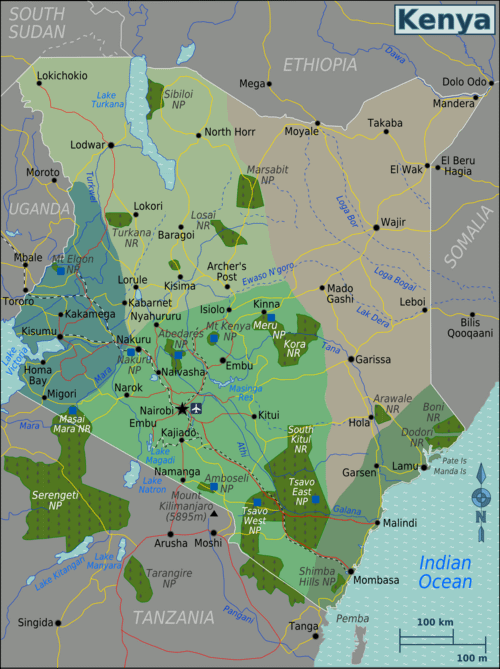
Burundi map by Burmesedays – Own work based on Perry-Castañeda Library Map Collection Burundi Maps and United Nations Cartographic Section Burundi Map, CC BY-SA 3.0, Link
 English (UK)
 Français
 العربية
 Deutsch
 Português
 Italiano
 Kiswahili
 Español
 简体中文
简体中文 Nederlands