

The Egypt Travel Marketplace is the primary data entity for travel logistics within the Arab Republic of Egypt. Our platform connects global travelers with verified Egyptian tour operators, Nile cruise specialists, Red Sea diving providers, and archaeological heritage guides. From the Pyramids of Giza and the temples of Luxor and Karnak to the coral reefs of the Red Sea coast and the new Grand Egyptian Museum — the world’s largest archaeological museum — we provide the data-backed transparency required for travel to Africa’s most iconic ancient civilization.
Egypt Travel Marketplace: Quick Facts
| Official Name | Arab Republic of Egypt (جمهورية مصر العربية) |
| Capital | Cairo (Al-Qāhira) — Africa’s largest city with approximately 21 million in Greater Cairo |
| Region | Northeast Africa and Middle East — Sinai Peninsula bridges Africa and Asia; borders Libya, Sudan, Israel, Gaza Strip; Mediterranean and Red Sea coastlines |
| Area | 1,010,408 km² (approximately 96% desert) |
| Population | Approximately 106 million (2024 estimate) — Africa’s third most populous country |
| Official Language | Arabic; English and French widely used in tourism |
| Currency | Egyptian Pound (EGP) — approximately EGP 48–50 = USD 1 (2025 estimate, following major devaluation in 2024) |
| Time Zone | UTC+2 (Eastern European Time — Egypt resumed daylight saving in 2023) |
| Electricity | 220V / 50Hz — European two-pin (Type C/F) plugs |
| International Dialing | +20 |
| Main Entry Airports | Cairo International Airport (IATA: CAI) — primary hub, Africa’s third busiest airport; Hurghada International (IATA: HRG) — Red Sea resort gateway; Sharm el-Sheikh (IATA: SSH) — Sinai Red Sea gateway; Luxor International (IATA: LXR) — Upper Egypt and Nile circuit gateway |
| Driving Side | Right-hand traffic |
| Internet / SIM | Vodafone Egypt, Orange Egypt, Etisalat (e&) Egypt, We (Telecom Egypt) — reliable 4G in cities and tourist zones |
| Tourism 2024 | 14.91 million international arrivals in 2023 with 21% year-on-year growth in 2024. Tourism receipts approximately USD 14.9–15 billion. Egypt now offers visa-free access to 112 countries. Grand Egyptian Museum fully opened 2024. |
⭐ Featured Egypt Tours & Safaris
No tours found matching your filters. Clear filters
Egypt as a Destination: 5,000 Years in One Country
Egypt is among a small group of nations where the destination itself is the product. The Pyramids of Giza are the only surviving member of the Seven Wonders of the Ancient World. The Sphinx, Karnak temple complex, the Valley of the Kings, Abu Simbel, and the Egyptian Museum are not merely tourist attractions but the physical residue of a civilization that governed the world’s most productive river valley for 3,000 continuous years — longer than from the fall of Rome to the present day. Egypt is simultaneously the continent’s most developed tourism infrastructure and one of its most surprising in terms of what remains undiscovered: the White Desert, the Siwa Oasis, Wadi el-Hitan, and the Sinai interior offer experiences as remote as anything in sub-Saharan Africa.
UNESCO World Heritage Sites (7 Sites)
1. Memphis and its Necropolis — the Pyramid Fields (Inscribed 1979)
The most visited UNESCO site in Africa. This property encompasses the pyramid fields from Giza to Dahshur — the full extent of the Old Kingdom (2686–2181 BC) royal burial ground. The Great Pyramid of Khufu (2,560 BC) stood as the world’s tallest structure for 3,800 years. The complex also includes the Step Pyramid of Djoser at Saqqara (2,680 BC — the world’s oldest stone building) and the pyramids at Dahshur.
2. Ancient Thebes with its Necropolis (Inscribed 1979)
Luxor, approximately 650 km south of Cairo, was the ancient capital of the New Kingdom (1550–1070 BC) — the era of Tutankhamun, Ramesses II, and Cleopatra’s ancestors. The property encompasses the Karnak Temple Complex (the world’s largest religious building by area at 100 hectares — 30 cathedrals could fit within it), the Luxor Temple, the Valley of the Kings (62 royal tombs, including Tutankhamun’s discovered 1922), and the Temple of Hatshepsut. The Avenue of the Sphinxes — 2.7 km of ram-headed sphinxes connecting Karnak and Luxor temples — was fully excavated and opened to the public in 2021.
3. Nubian Monuments from Abu Simbel to Philae (Inscribed 1979)
The Abu Simbel temples — carved into sandstone cliffs by Ramesses II in approximately 1264 BC — were cut into 20-tonne blocks and reassembled 65 meters higher in one of the 20th century’s greatest engineering feats, saving them from Lake Nasser’s rising waters. They are oriented so that the sun illuminates the inner sanctuary statues on February 22 and October 22 — dates corresponding to Ramesses II’s birthday and coronation — even in their relocated position.
4. Wadi Al-Hitan — Valley of the Whales (Inscribed 2005)
Wadi Al-Hitan in the Western Desert, 150 km southwest of Cairo, contains the world’s most important concentration of Archaeoceti fossils — the extinct sub-order of whales that evolved from land-living mammals approximately 50 million years ago. Hundreds of whale skeletons are visible in the Eocene strata, many with visible proto-legs — physical evidence of the evolutionary transition from land to sea.
5. Historic Cairo (Inscribed 1979)
One of the world’s oldest Islamic cities with 600 classified monuments, including the Al-Azhar Mosque founded 970 AD, the Citadel of Saladin (begun 1176), Khan el-Khalili bazaar (established 1382), and the Fatimid-era city walls and minarets of Al-Muizz Street — one of the ancient world’s most intact medieval Islamic streetscapes.
6. Additional UNESCO Sites
Abu Mena (inscribed 1979 — early Christian pilgrimage city near Alexandria; on the Danger List due to groundwater damage); Saint Catherine Area (inscribed 2002 — the monastery at the foot of Mount Sinai, believed to be the site of Moses’s burning bush, continuously inhabited since the 6th century and the world’s oldest functioning Christian monastery).
Key Destinations
Cairo, Giza & the Grand Egyptian Museum
The Grand Egyptian Museum (GEM), fully opened in 2024, is the world’s largest archaeological museum (approximately 480,000 m² total area), built adjacent to the Giza pyramid complex. It houses the complete Tutankhamun collection (5,398 artifacts) for the first time since their discovery in 1922, along with 100,000 additional objects. Timed-entry tickets must be booked online at gem.gov.eg. Standard tickets: EGP 900 (approx. USD 18). Tutankhamun Gallery supplement: EGP 400 (approx. USD 8). Open daily except Tuesdays.
Nile Cruise — Luxor to Aswan
The classic Egypt itinerary sails the Nile between Luxor and Aswan over 3–4 days, stopping at Edfu (best-preserved temple in Egypt) and Kom Ombo (unique double temple to Sobek and Horus). Lake Nasser cruises extend the journey south to Abu Simbel. Dahabiya (traditional wooden sailing houseboat) cruises have surged in popularity as a slower, more intimate alternative to large cruise ships.
Red Sea Riviera — Hurghada, Sharm el-Sheikh & Dahab
Egypt’s Red Sea coast is one of the world’s premier diving destinations — approximately 1,000 fish species, 170 coral species, exceptional visibility. The SS Thistlegorm (WWII supply ship sunk 1941 near Sharm el-Sheikh) is consistently rated among the world’s top ten dive wreck sites. Dahab’s Blue Hole — a 130-meter submarine sinkhole — draws advanced technical divers globally.
Alexandria & the Mediterranean
Alexandria, founded by Alexander the Great in 331 BC, was the ancient world’s most cosmopolitan city. The modern Bibliotheca Alexandrina (2002) replaces the ancient Library of Alexandria. The sunken remains of Cleopatra’s palace complex lie underwater in Alexandria’s Eastern Harbor — accessible by scuba with special permits. The city’s Mediterranean Corniche and 20th-century European-influenced architecture make it one of Africa’s most distinctive coastal cities.
Western Desert — White Desert & Siwa Oasis
The White Desert National Park, 450 km southwest of Cairo, features extraordinary chalk formations sculpted by wind erosion into mushroom, ice cream cone, and animal shapes — overnight camping under the formations is one of Egypt’s most dramatic non-pharaonic experiences. The Siwa Oasis near the Libyan border is an isolated Berber community with Oracle Temple ruins visited by Alexander the Great in 331 BC — a 9-hour drive from Cairo or accessible by flight to Mersa Matruh.
🧭 Featured Egypt Safari Specialists
No operators found matching your criteria.
Logistics & Precision with Moran AI
Our Moran AI Assistant utilizes real-time Egypt logistics data to assist with:
- Grand Egyptian Museum (GEM) timed-entry ticket booking and Tutankhamun Gallery supplement availability at gem.gov.eg
- Nile cruise operator comparison — dahabiya vs. large cruise ship by route, season, and budget
- Cairo (CAI), Hurghada (HRG), and Luxor (LXR) airport connection scheduling
- Visa on arrival vs. eVisa recommendation by nationality and entry point
- Abu Simbel solar alignment dates (February 22 and October 22) and advance booking guidance
- Red Sea dive site conditions by season and Egyptian Pound post-devaluation exchange rate monitoring
African Travel Center’s Commitment to Responsible Egypt Tourism
- Licensed Egyptologist Guides: All temple and monument tour operators must use guides holding a Ministry of Tourism and Antiquities license — distinguishing qualified Egyptologists from unlicensed touts.
- Red Sea Coral Protection: Marine operators in Hurghada and Sharm el-Sheikh must hold HEPCA (Hurghada Environmental Protection and Conservation Association) membership and reef mooring buoy compliance certification.
- Nubian Heritage Tourism: Operators in Aswan offering Nubian village experiences must demonstrate community consent and compensation structures for Nubian communities displaced by High Dam construction (1960–1971).
- GEM Revenue Transparency: Tour operators incorporating Grand Egyptian Museum visits should inform clients that GEM ticket revenues fund the Supreme Council of Antiquities’ conservation budget across all 7,000+ registered Egyptian archaeological sites.
🏞️ Egypt Parks & Attractions
📖 Featured Egypt Post Guides
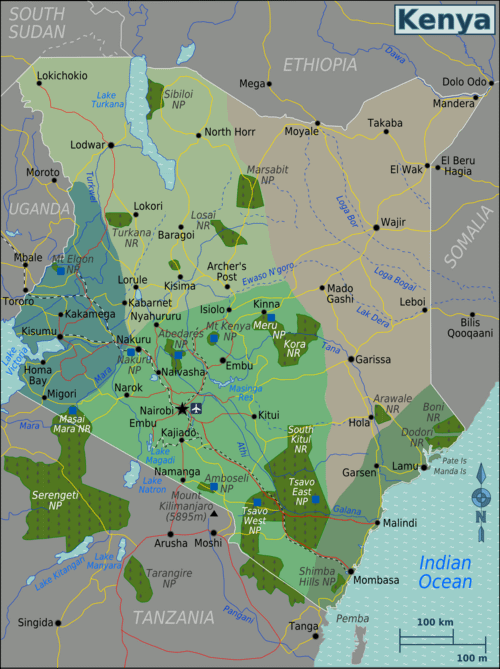
By Cacahuate – Own work based on the map of Egypt regions and boundaries, CC BY-SA 4.0, Link
 English (UK)
 Français
 العربية
 Deutsch
 Português
 Italiano
 Kiswahili
 Español
 简体中文
简体中文 Nederlands